Echo-Echo ThruPaint Measurement Through Paint
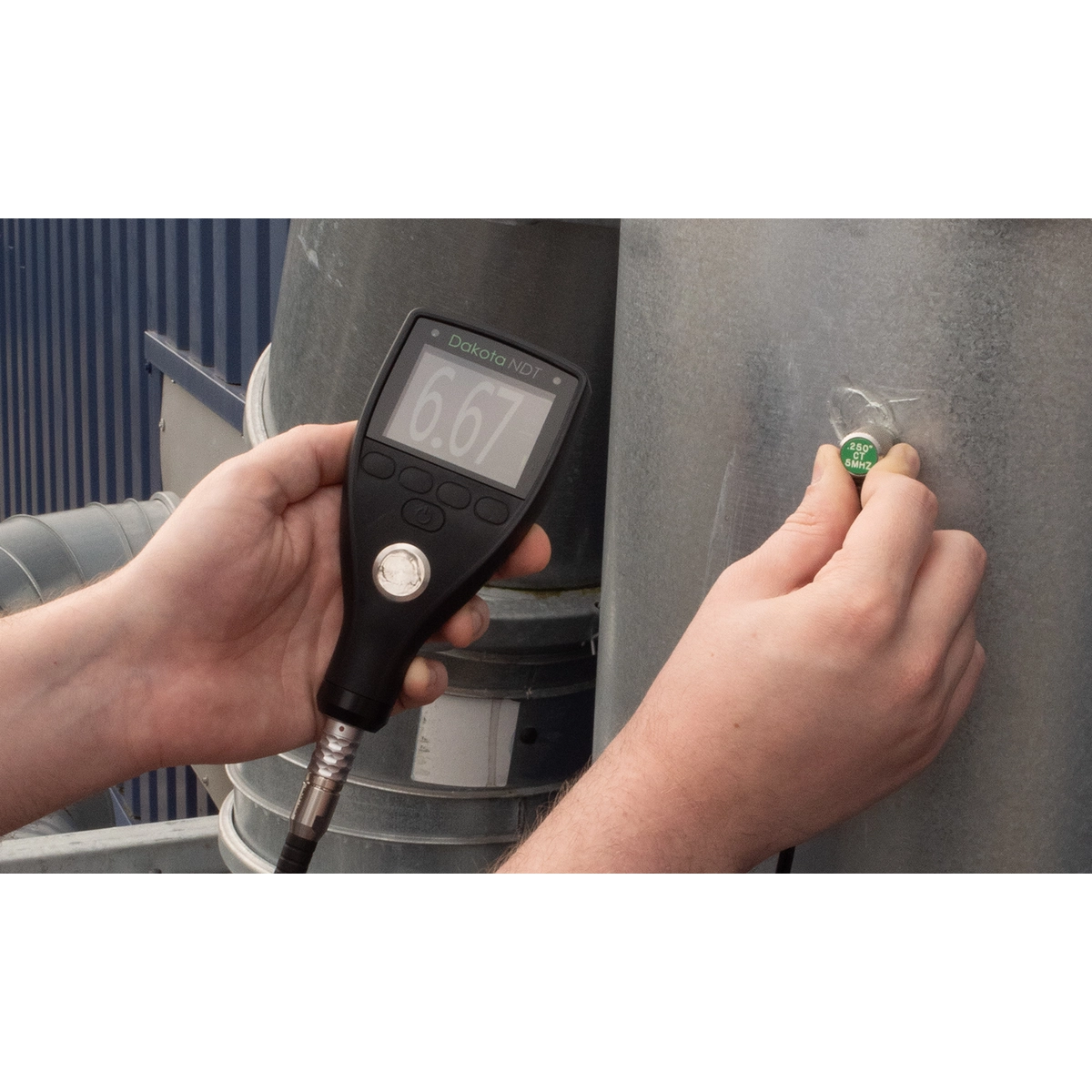
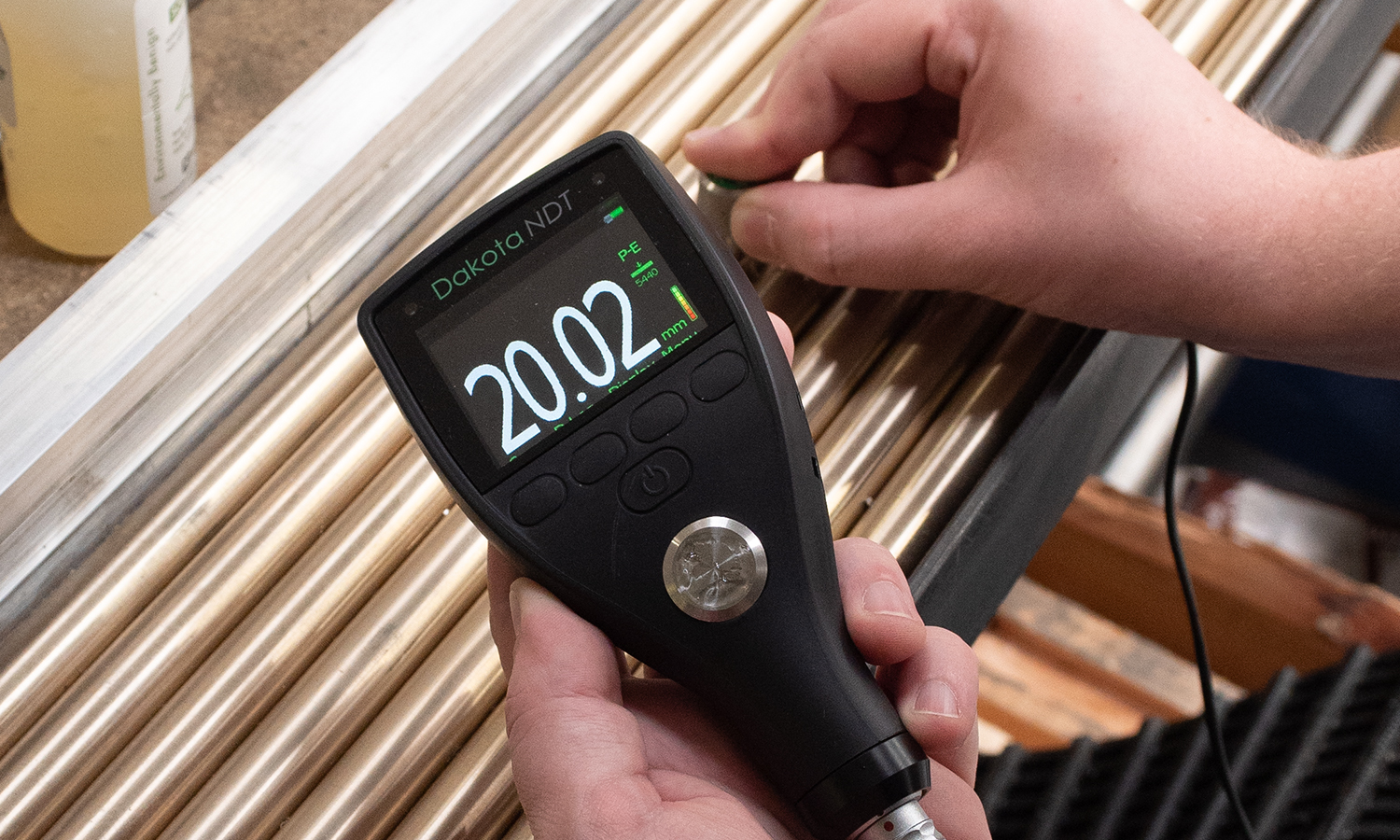
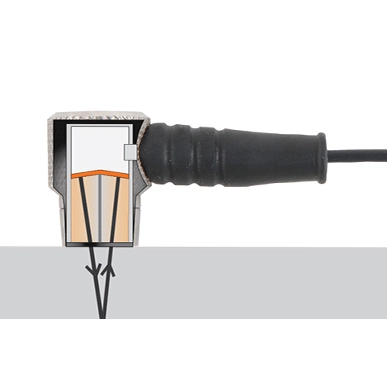
The Echo-Echo ThruPaint™ technique is an ultrasonic measurement mode that determines metal thickness even when the part is covered with paint, a protective coating or a layer of finish. Unlike standard pulse-echo, which measures the total thickness (paint + metal), Echo-Echo works on two successive echoes within the metal layer alone, removing the contribution of the paint from the calculation.
Developed by Dakota Ultrasonics and protected by the ThruPaint™ trademark, this technique is particularly valuable for periodic inspection of plant already in service: painted piping, coated tanks, offshore structures — all contexts where removing the paint at every measurement point would be impractical.
When to use Echo-Echo ThruPaint
The main article is the guide Echo-Echo ThruPaint: measuring through coatings, which explains how to tell the metal echoes from those of the paint and which probes to use. For the general basis of ultrasonic measurement, see how ultrasonic thickness measurement works.
Dakota instruments with Echo-Echo ThruPaint
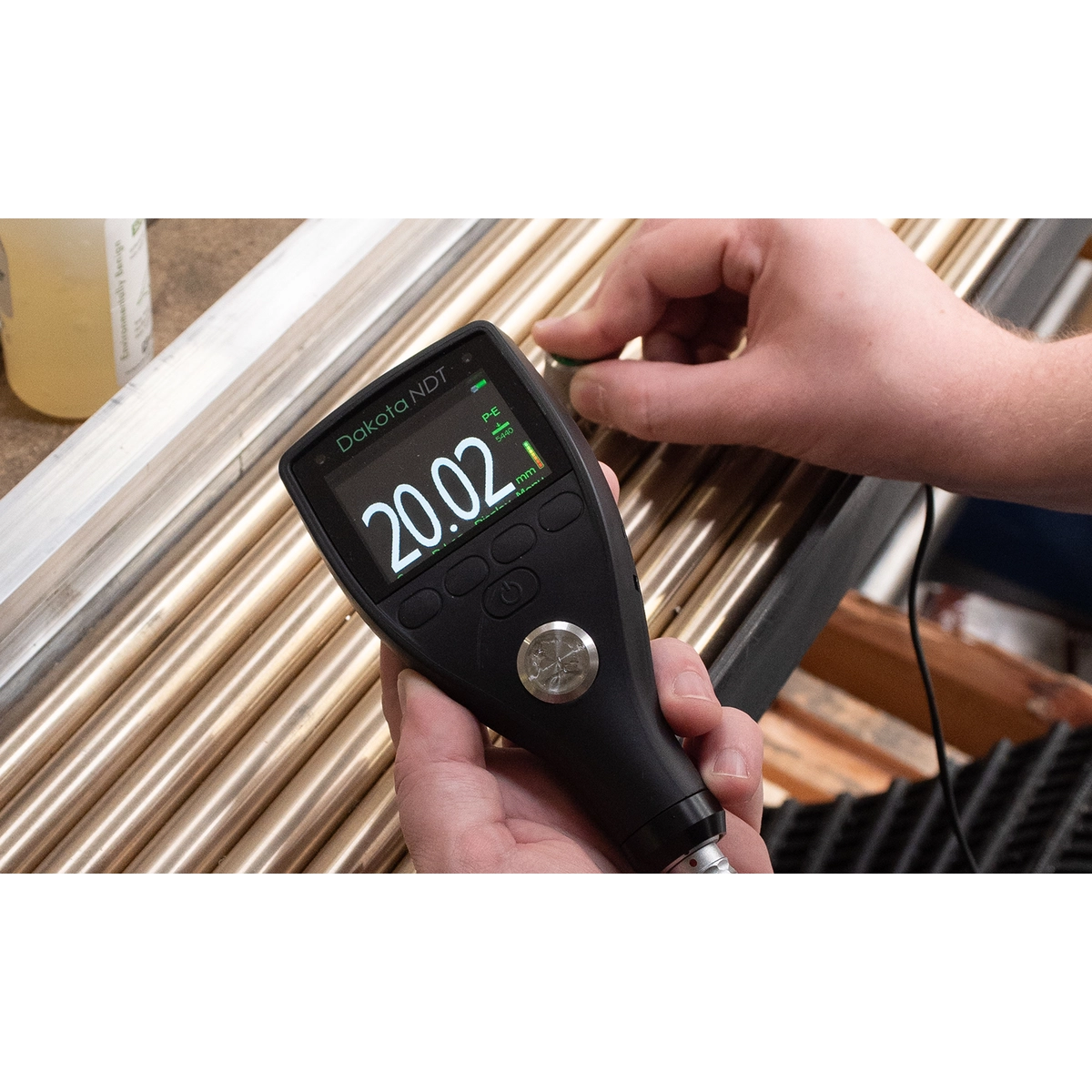
Dakota CX4 — the entry-level portable gauge with built-in ThruPaint™ technology.
Dakota CX8-DL — pulse-echo, Echo-Echo and B-Scan with data logger.
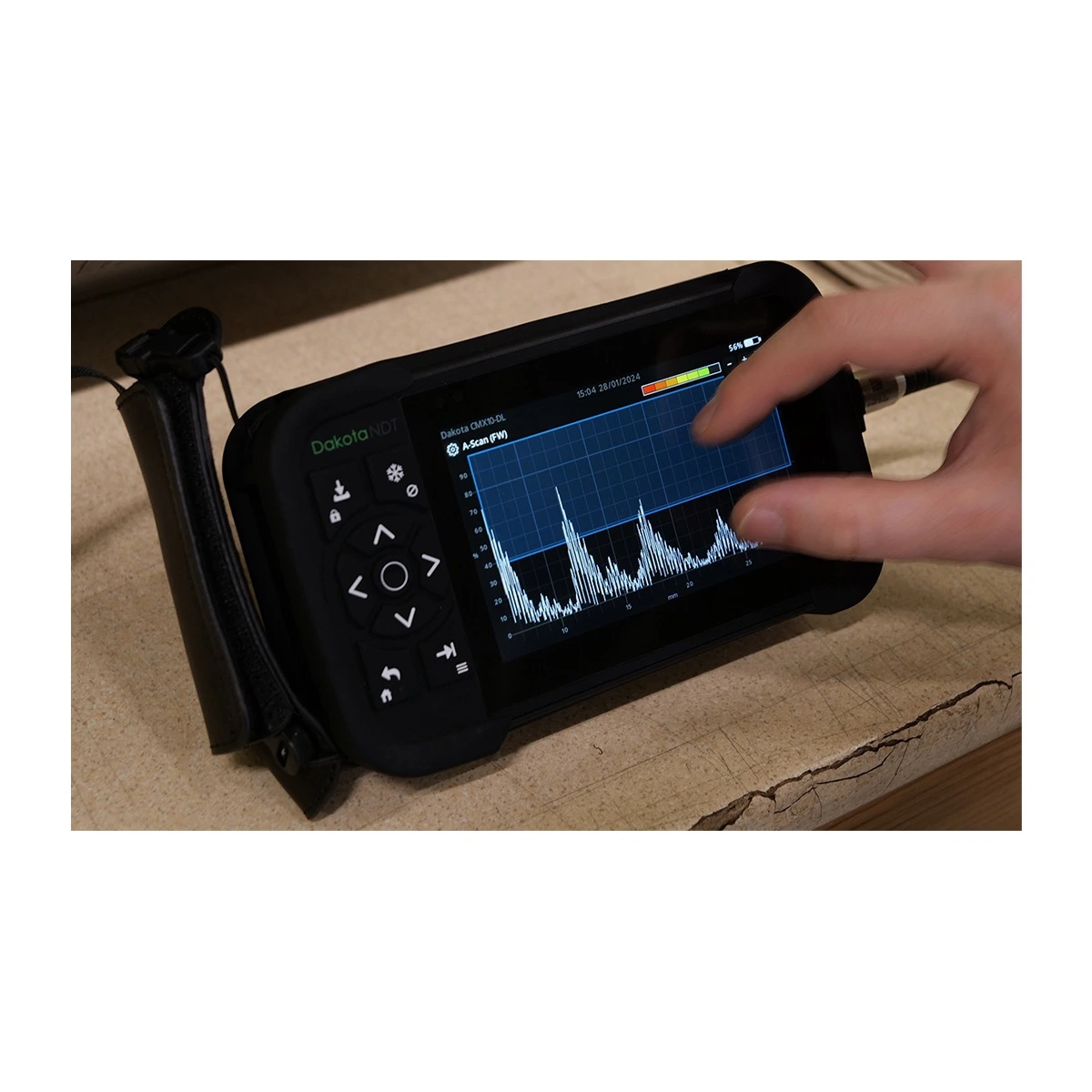
Dakota CMX10-DL — top of the range with all modes: A-Scan, B-Scan, Echo-Echo ThruPaint™ and PECT.
Related techniques
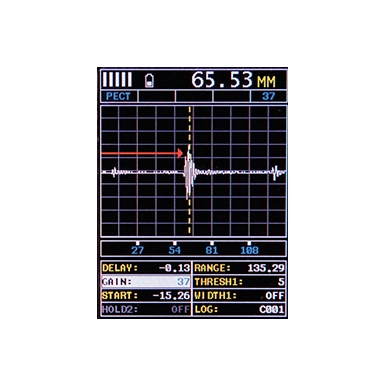
Echo-Echo ThruPaint is one of the multi-echo modes: for corrosion applications on thick coatings or difficult materials it can be useful to combine the analysis with PECT mode. A sound calibration procedure remains the prerequisite for reliable readings. For cases on awkward materials, see also ultrasonic measurement on difficult materials.
To choose the Dakota instrument with ThruPaint™ best suited to your application, contact RODER.