NDT Inspection in Oil & Gas
The oil & gas sector is one of the most demanding in terms of non-destructive testing: pressure piping, refineries, storage terminals, offshore platforms and transport facilities operate under conditions of temperature, pressure and contact with aggressive substances that call for periodic inspection to guarantee structural integrity and operator safety.
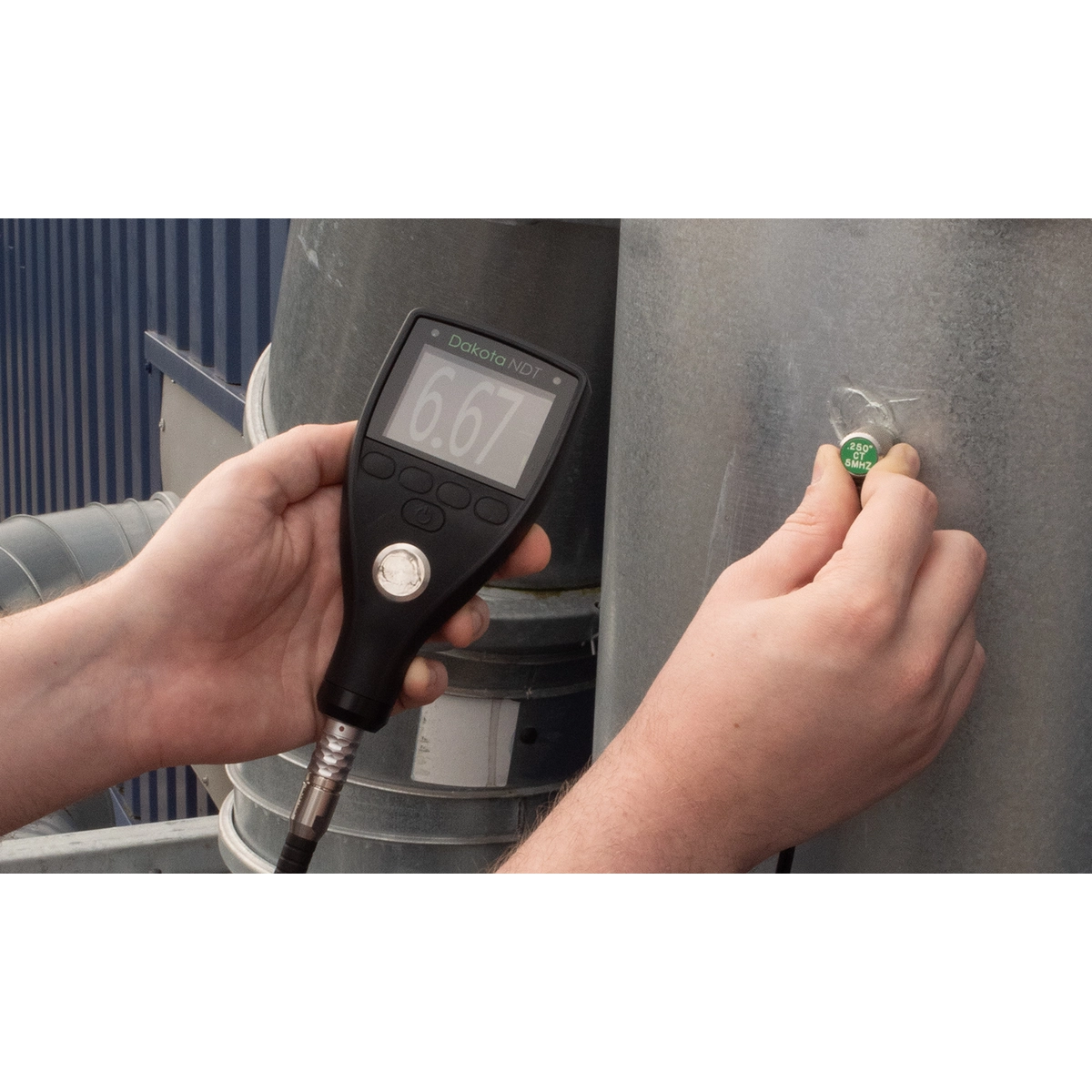
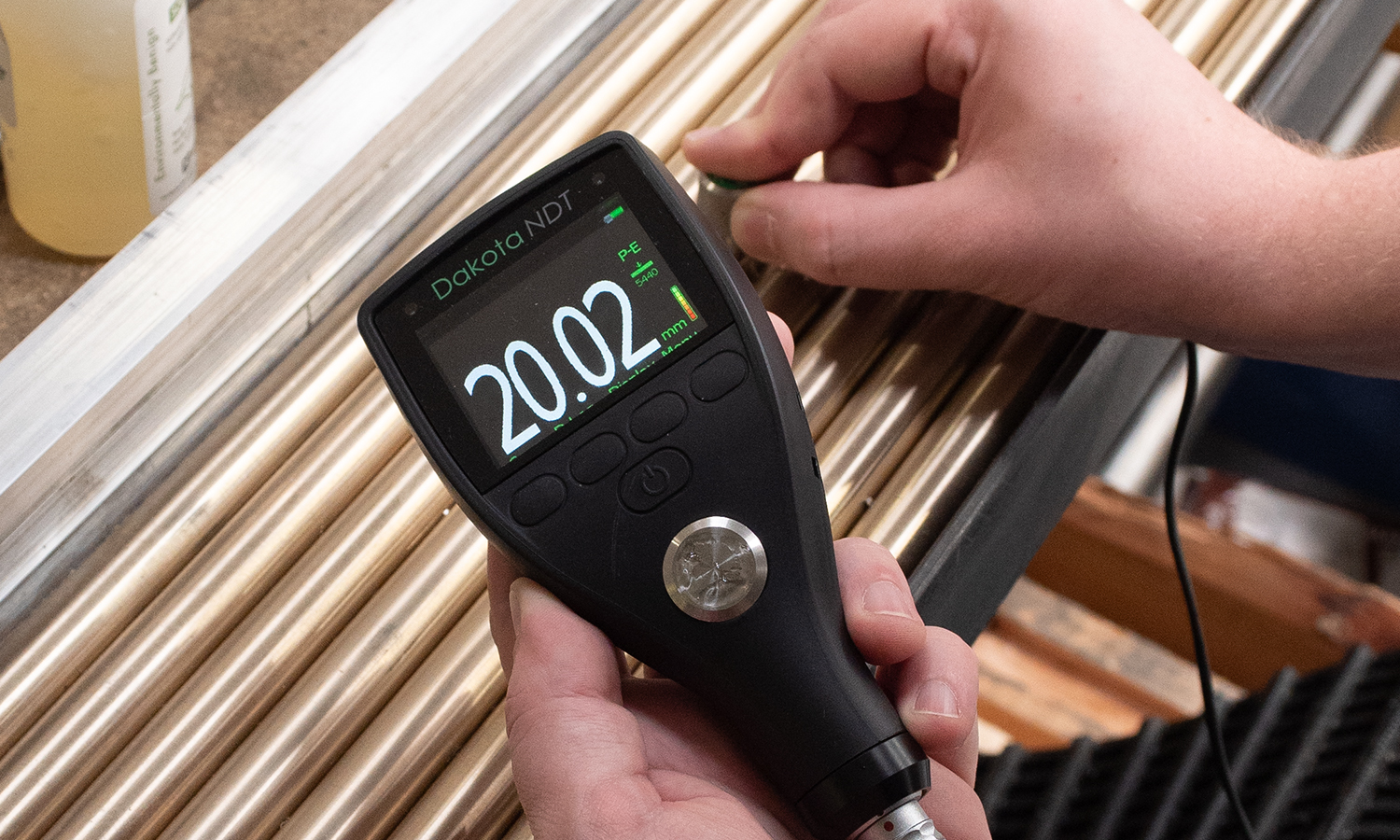
This section brings together technical guides, application cases and instrument comparisons for NDT inspection in the oil & gas sector. The most widespread techniques are residual thickness measurement for corrosion monitoring, ultrasonic weld inspection and the verification of bolt tightening on flanged joints.
Reference standards
The main standards governing inspection in oil & gas include API 570 and API 653 for piping and atmospheric tanks, ASME PCC-1 for the controlled tightening of bolted flanges, and AWS D1.1 for weld inspection.
Dakota instruments for oil & gas
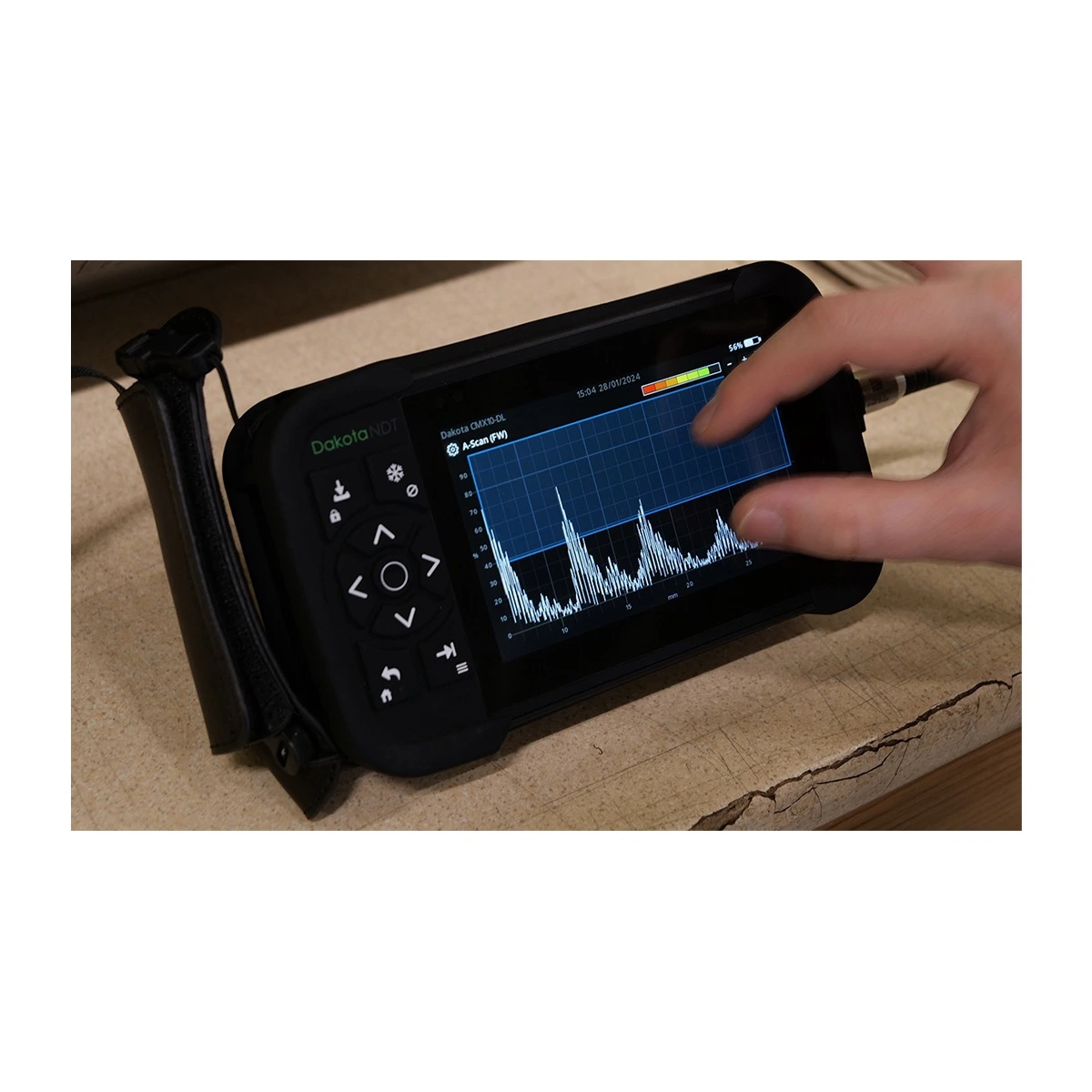
Dakota CMX Series — corrosion gauges with A-Scan, ideal for pipelines and refineries.
Dakota MX2-DL — advanced corrosion gauge with B-Scan and data logger for structured inspection plans.
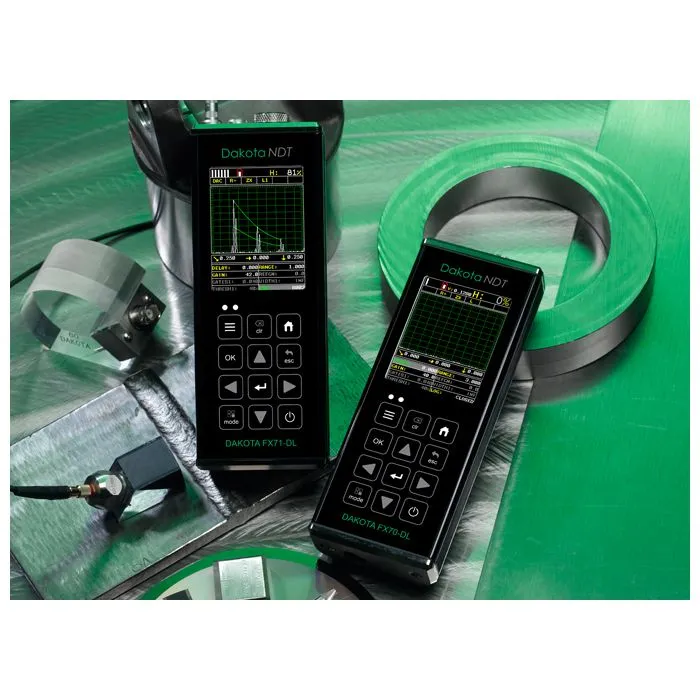
Dakota FX70-DL — flaw detector for weld inspection to AWS D1.1.
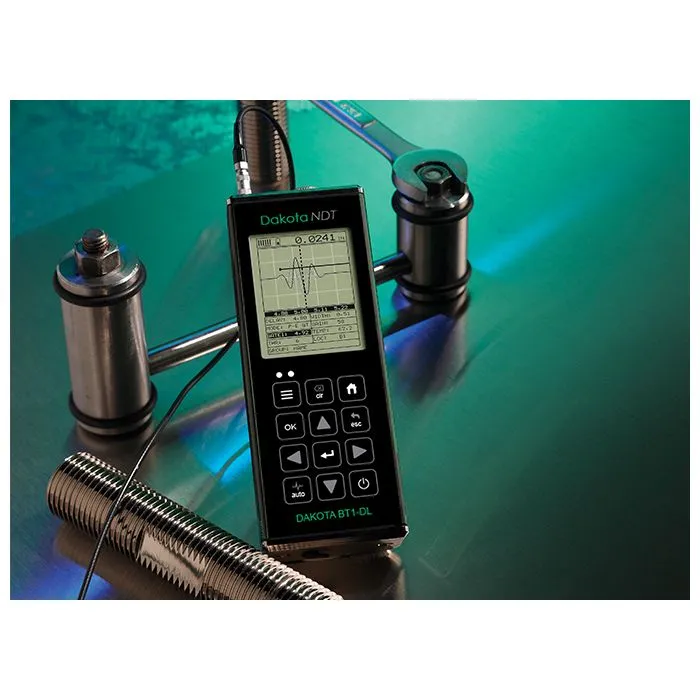
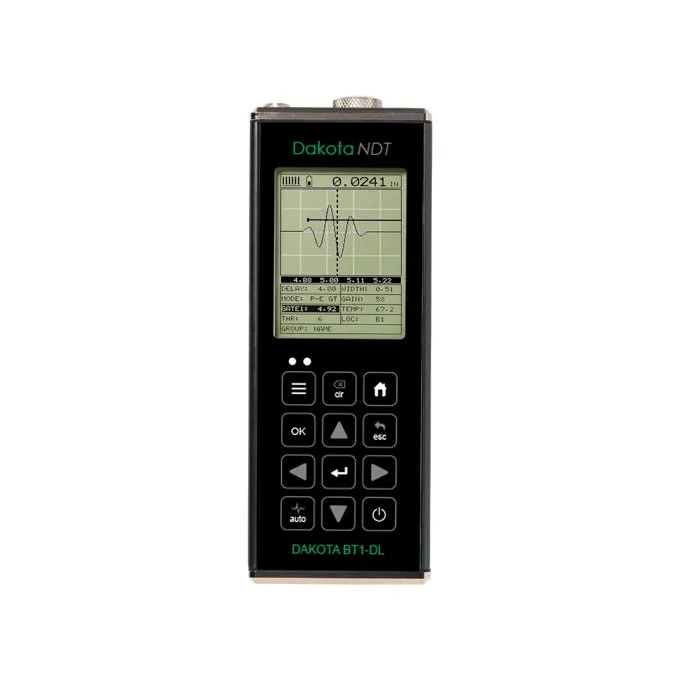
Dakota BT1-DL — portable bolt tension monitor for checking flange tightening.
Application cases and guides
Among the most relevant articles for oil & gas are pipeline corrosion inspection to API 570, thickness testing of atmospheric tanks to API 653, ultrasonic weld inspection with the Dakota FX70-DL and the guide to tightening pressure flanges with Dakota BT ultrasonics.
For specific advice on NDT instruments and procedures in your oil & gas plant, contact the RODER team.